Peptides in skincare, without the marketing
By The PepVise Editorial Team · Reviewed June 4, 2026 · 14 min read
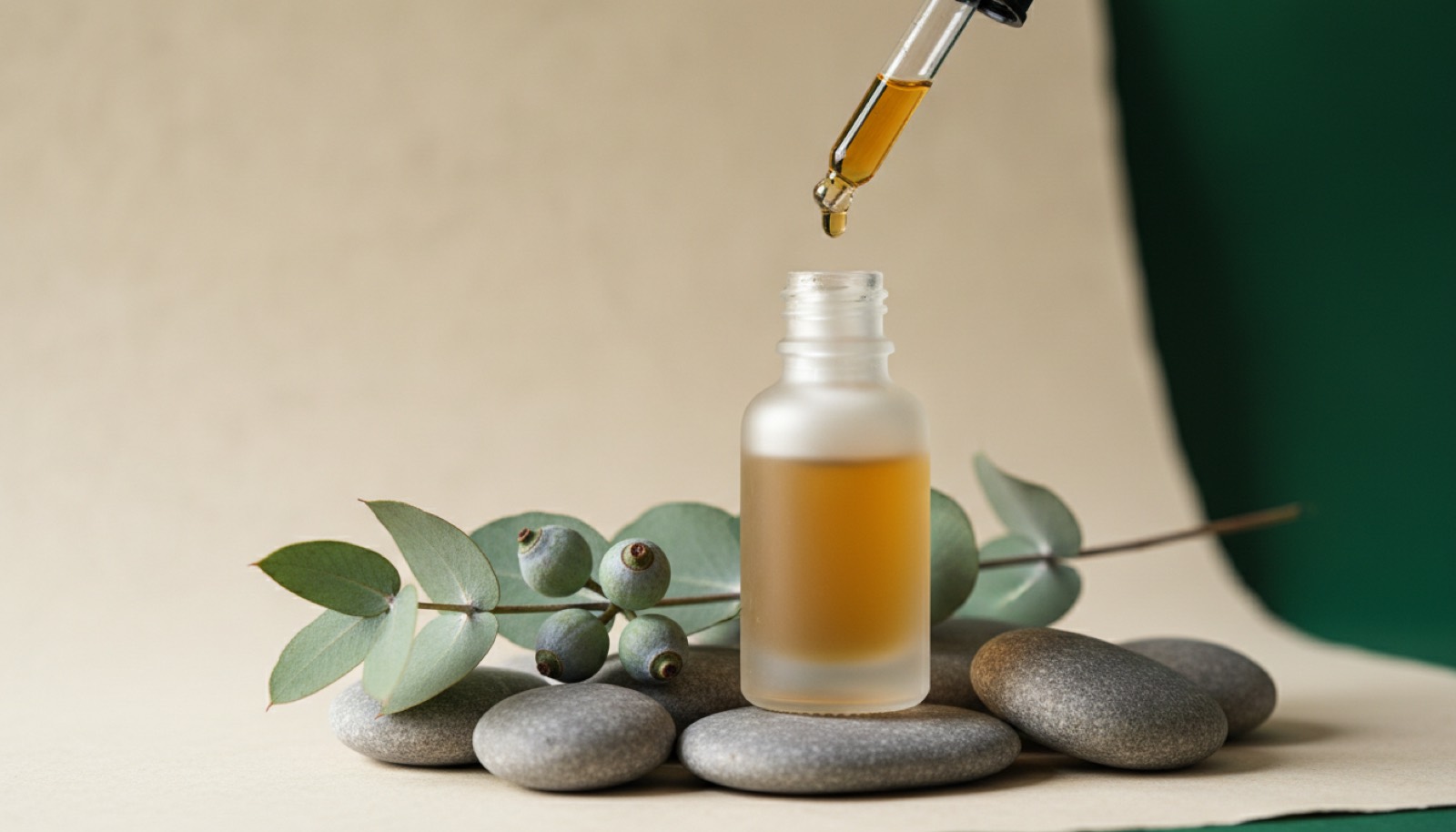
Signal peptides, carrier peptides, neurotransmitter inhibitors: what each class claims, what the published studies actually show, and how to read an ingredient list like an analyst.
We describe what has been measured — by whom, at what scale, with what effect size, and with what caveats. Hedging, here, is honesty.
How we read the literature
- Evidence tier
- We grade the literature on four tiers, High (replicated RCTs or meta-analyses), Moderate (multiple trials with mixed findings), Low (a single pilot or case series), and Anecdotal (preclinical only, no human data). The tier appears on every compound profile beside the claim it supports.
- Trial stage
- Where a compound sits in the human development pipeline is recorded as Preclinical, Phase 1, Phase 2, or Phase 3+. We pull the current stage from ClinicalTrials.gov and the EU Clinical Trials Register on access date and re-verify quarterly.
- Regulatory status
- We state the FDA posture plainly, approved for indication X, or labeled for research use only, or removed from the 503A list, or investigational under a specific IND. Regulatory status changes; every post carries a review date.
- Where we're uncertain
- Every compound profile closes with a named uncertainty section, the question we can't answer from the current literature, the trial we'd want to see, the effect size we'd treat as a real signal. Uncertainty is not a failure mode here; it's load-bearing.
The questions readers actually bring us.
- What do peptides do for skin?
- Depending on the class, they signal collagen-producing cells (signal peptides like Matrixyl), deliver copper to matrix enzymes while signaling remodeling (GHK-Cu), or aim to soften expression lines by damping contraction chemistry (Argireline). The published human results are modest improvements in fine lines, elasticity and texture over 8 to 12 weeks.
- Which skincare peptide is best?
- By independent evidence: copper tripeptide-1 (GHK-Cu) for overall depth of literature, and palmitoyl pentapeptide-4 (Matrixyl) for the single best controlled facial trial. Both appear in products under thirty dollars, which is why our buying guide's top picks carry them.
- Are peptides better than retinol?
- No. Retinoids hold decades of controlled-trial evidence for photoaging that no cosmetic peptide approaches. Peptides are the gentler adjacent layer: worth adding when a retinoid is already in place or genuinely not tolerated, not a substitute for one.
- Can peptides penetrate the skin?
- Partially, and that is the honest answer. Most peptides exceed the size that crosses skin efficiently, which is why manufacturers attach fatty palmitoyl tails to improve uptake into the upper layers. Effects measured in trials are consistent with action in the epidermis and upper dermis, not deep structural remodeling.
- Do peptide serums replace Botox?
- No. The 'topical botox' peptides (Argireline, SYN-AKE) interfere with contraction signaling in principle, but the published support is one small high-concentration study plus supplier data, and no head-to-head exists. Softening of fine expression lines is plausible; the effect of an injectable is a different magnitude and mechanism delivered to muscle, which a cream does not reach.
A Phase 2 randomized trial with blinded outcome assessment would change the reading. A new independent replication outside the currently dominant research group would change the reading. A regulatory action — approval, restriction, or a class warning — would change the reading. When any of those lands, we update this profile within a week and mark what changed.
References cited on this page.
PubMed, ClinicalTrials.gov, and FDA documents only. Secondary sources appear when needed to characterize public discourse, never as a source for a clinical claim.
- [01]Robinson LR et al. Topical palmitoyl pentapeptide provides improvement in photoaged human facial skin. Int J Cosmet Sci 2005
- [02]Pickart L, Margolina A. Regenerative and protective actions of the GHK-Cu peptide in the light of the new gene data. Int J Mol Sci 2018
- [03]Gorouhi F, Maibach HI. Role of topical peptides in preventing or treating aged skin. Int J Cosmet Sci 2009
- [04]Blanes-Mira C et al. A synthetic hexapeptide (Argireline) with antiwrinkle activity. Int J Cosmet Sci 2002
About The Pepvise Editorial Team
The Pepvise Editorial Team is a small group of researchers and science writers reading the peer-reviewed peptide literature and translating it into calm, cited analysis. We do not sell peptides, recommend peptides, or tell readers what to administer. We describe what has been measured, by whom, at what scale, with what effect size.
Compound reviews are signed off by Dr. Priya Narang, MD, MPH (endocrinologist) and Dr. Marcus Haley, PharmD, BCPS (board-certified clinical pharmacist). Both hold verifiable state-board licenses and have signed editorial-independence letters with us. See the full editorial board →
Adjacent in the literature.
The 8 Best Collagen Peptides, Ranked
Eight collagen peptide powders compared on dose per serving, collagen type, third-party testing, and price per serving. Ranked from the ingredient panel and the published trials, before any link was attached.
13 min readConsumer · ComparisonThe 8 Best Peptide Serums, Ranked
Eight peptide serums and creams compared on which peptides they actually contain, what published evidence sits behind each one, and what you pay per millilitre. Ranked from the INCI list, not the marketing.
13 min readConsumer · Compound profileCollagen Peptides: What the Trials Show
What hydrolyzed collagen actually is, how the peptides survive digestion, and what the randomized trials show for skin, joints, bone and muscle. The evidence, graded the way we grade research compounds.
15 min readGet the 2026 Peptide Evidence Ledger.
A 12-page PDF summary of where 10 major compounds sit, Preclinical / Human pilot / Phase trial / FDA status. Updated quarterly. Free.
By subscribing, you agree to our Privacy Policy. One calm, cited email a week. Unsubscribe anytime.